
By Jonathan L. Nicozisis, DMD, MS
A severe toothache can be frightening, especially when it develops suddenly or becomes difficult to manage. So, can you go to the ER for dental pain? Yes, but most dental pain does not require a hospital emergency room.
The ER is appropriate when dental or facial symptoms become a broader medical emergency, such as difficulty breathing or swallowing, uncontrolled bleeding, serious facial trauma, or rapidly worsening swelling. Most toothaches, broken fillings, and orthodontic problems are better assessed by a dentist or orthodontist who can address the underlying cause.
If you are dealing with dental pain in West Windsor, NJ, knowing where to seek care can help you avoid delays and get the right treatment sooner.
When Should Dental Pain Send You to the ER?
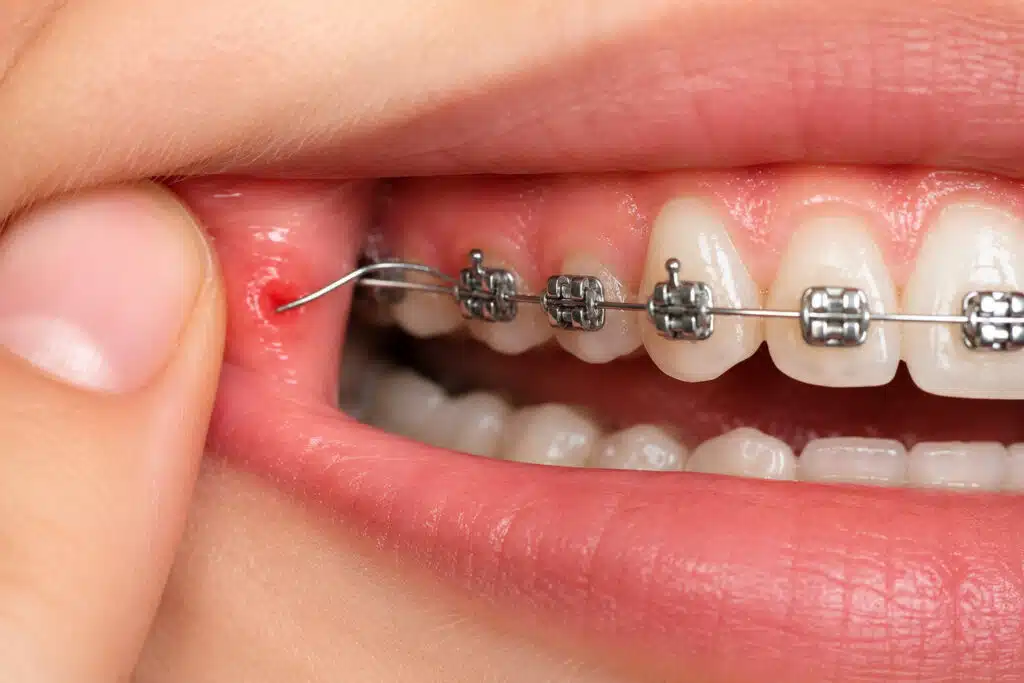 Most toothaches can be treated by a dentist rather than in a hospital emergency department. However, dental pain accompanied by facial or neck swelling, difficulty breathing or swallowing, uncontrolled bleeding, major trauma, or other signs of a serious infection can require emergency medical attention.
Seek emergency medical attention for symptoms such as:
- Difficulty breathing or swallowing
- Severe or rapidly spreading swelling of the face or neck
- Heavy bleeding that does not stop
- Significant trauma to the face or jaw
- A suspected broken or dislocated jaw
- Severe pain accompanied by facial swelling, fever, or other signs of a serious infection
The American Association of Orthodontists identifies difficulty breathing or swallowing, heavy bleeding, suspected jaw fractures, and severe pain with facial swelling or infection among situations requiring urgent professional care.
If breathing is affected or another symptom appears life-threatening, seek emergency medical help immediately rather than waiting for a dental appointment.
ER, Dentist, or Orthodontist: Where Should You Go?
Choosing the right provider depends on what is causing the problem.
| Situation | Where to Seek Care |
|---|---|
| Trouble breathing or swallowing | Emergency room / emergency medical services |
| Major facial or jaw injury | Emergency room |
| Uncontrolled mouth or facial bleeding | Emergency room |
| Toothache or suspected cavity | General dentist |
| Cracked or broken tooth | Dentist as soon as possible |
| Dental abscess without life-threatening symptoms | Dentist urgently |
| Loose or broken braces bracket | Orthodontist |
| Poking orthodontic wire | Orthodontist |
| Lost or damaged aligner | Orthodontist |
| Normal soreness after an adjustment | Usually home care and orthodontist guidance |
A hospital can help stabilize serious symptoms, control bleeding, address major trauma, or manage complications of infection. However, you may still need follow-up with a dentist, oral surgeon, or orthodontist to treat the dental problem itself.
When Does a Toothache Need a Dentist Instead?
Most tooth pain belongs in a dental office rather than an emergency room.
A toothache can have many causes, including decay, a cracked tooth, gum problems, infection, or pressure from an impacted tooth. The American Dental Association recommends contacting a dental professional for problems such as toothaches and cracked teeth.
Call a dentist promptly if you have:
- Persistent or worsening tooth pain
- Pain when biting or chewing
- Sensitivity that does not improve
- A broken, chipped, or cracked tooth
- Swelling around a tooth or gum
- A lost filling or crown
- Signs of a possible dental infection
If you are experiencing tooth pain when chewing, the source also matters. Some pain comes directly from a tooth, while other discomfort may be related to how the teeth and jaws meet.
What If the Pain Starts During Orthodontic Treatment?
Braces and clear aligners can cause temporary soreness, especially when treatment begins or after an adjustment. That type of pressure is different from sudden, severe, or worsening dental pain.
Common orthodontic problems may include:
- A loose bracket
- A wire rubbing the cheek or gum
- A broken appliance
- A lost aligner
- An attachment coming loose
- Unusual or persistent discomfort
These problems generally do not require the ER. Instead, contact your orthodontist and explain what happened.
If you have a damaged appliance, our guide to broken braces, brackets, and wires explains some of the steps you can take until the problem can be evaluated.
For certain types of tooth, gum, or orthodontic discomfort, West Windsor Orthodontics also offers the Dental Pain Eraser, a device designed to provide non-drug pain relief in appropriate situations.
What Should You Do When Dental Pain Starts?
When pain appears suddenly, start by looking at the symptoms rather than simply rating how uncomfortable the tooth feels.
1. Check for emergency warning signs
Look for facial or neck swelling, trouble breathing or swallowing, major trauma, uncontrolled bleeding, or severe signs of infection. These symptoms take priority.
2. Identify where the pain is coming from
Is the pain centered on one tooth? Does it happen when you bite? Is a braces wire rubbing the cheek? Did an appliance break?
That information helps determine whether you need a dentist, orthodontist, or emergency medical provider.
3. Contact the appropriate office
For tooth decay, cracks, fillings, gum problems, or suspected infection, contact your general dentist. If the problem involves braces, aligners, or your bite during orthodontic treatment, contact your orthodontist.
4. Follow professional guidance
Avoid trying to repair appliances or treat severe dental problems yourself. The right next step depends on the cause and severity of the problem.
Can You Prevent Some Dental and Orthodontic Emergencies?
Not every problem can be prevented, but a few habits can lower the likelihood of unexpected pain during orthodontic treatment.
Protect your teeth and appliances by:
- Maintaining regular dental checkups
- Brushing and flossing carefully
- Following instructions for braces and aligners
- Avoiding foods that can damage brackets and wires
- Wearing a mouthguard during appropriate sports
- Reporting loose or damaged appliances early
- Not ignoring persistent tooth or jaw pain
Orthodontic care does not replace routine dental care. Your general dentist remains important for checking for decay, gum problems, cracked teeth, and other conditions that can cause pain while you are wearing braces or aligners.
Know When Dental Pain Becomes an Emergency
Most dental pain does not mean you need to rush to the ER. A toothache, damaged restoration, or broken orthodontic appliance usually needs care from the dental professional who can treat the underlying problem.
The situation changes when pain is accompanied by severe facial swelling, difficulty breathing or swallowing, uncontrolled bleeding, significant facial trauma, or other symptoms suggesting a serious medical emergency. In those cases, getting emergency medical attention takes priority.
If your discomfort is related to braces, aligners, your bite, or another orthodontic concern, West Windsor Orthodontics can help determine what needs attention and what can safely wait. Schedule an appointment with our West Windsor team to have your concern evaluated and get guidance on the appropriate next step.
Frequently Asked Questions
Can the ER treat a toothache?
An emergency department can address serious symptoms and complications, but most toothaches ultimately require care from a dentist to diagnose and treat the underlying dental problem.
Should I go to the ER for severe tooth pain at night?
Severe pain alone does not always require the ER. However, seek emergency medical care if the pain occurs with trouble breathing or swallowing, major swelling, uncontrolled bleeding, serious facial trauma, or other concerning systemic symptoms.
Is facial swelling from a tooth an emergency?
Facial swelling can be a sign of infection. Rapidly worsening swelling, particularly when it affects breathing or swallowing or occurs with fever and severe illness, requires urgent medical attention.
Should I go to the ER for a broken braces wire?
Usually not. Contact your orthodontist for guidance. A broken or poking wire can often be managed temporarily until it can be repaired, unless the injury has caused serious bleeding or another medical emergency.
Is dental pain normal with braces?
Mild soreness after braces are placed or adjusted can occur. Sharp, severe, persistent, or worsening pain should not simply be assumed to be normal and should be discussed with your orthodontist.
Can an orthodontist treat every type of tooth pain?
No. Orthodontists focus on tooth movement, bite alignment, and orthodontic appliances. Problems such as cavities, cracked teeth, gum disease, or dental infections may need to be treated by a general dentist or another dental specialist.