 Tooth Pain When Chewing? Here’s Whether You Need an Orthodontist or Endodontist
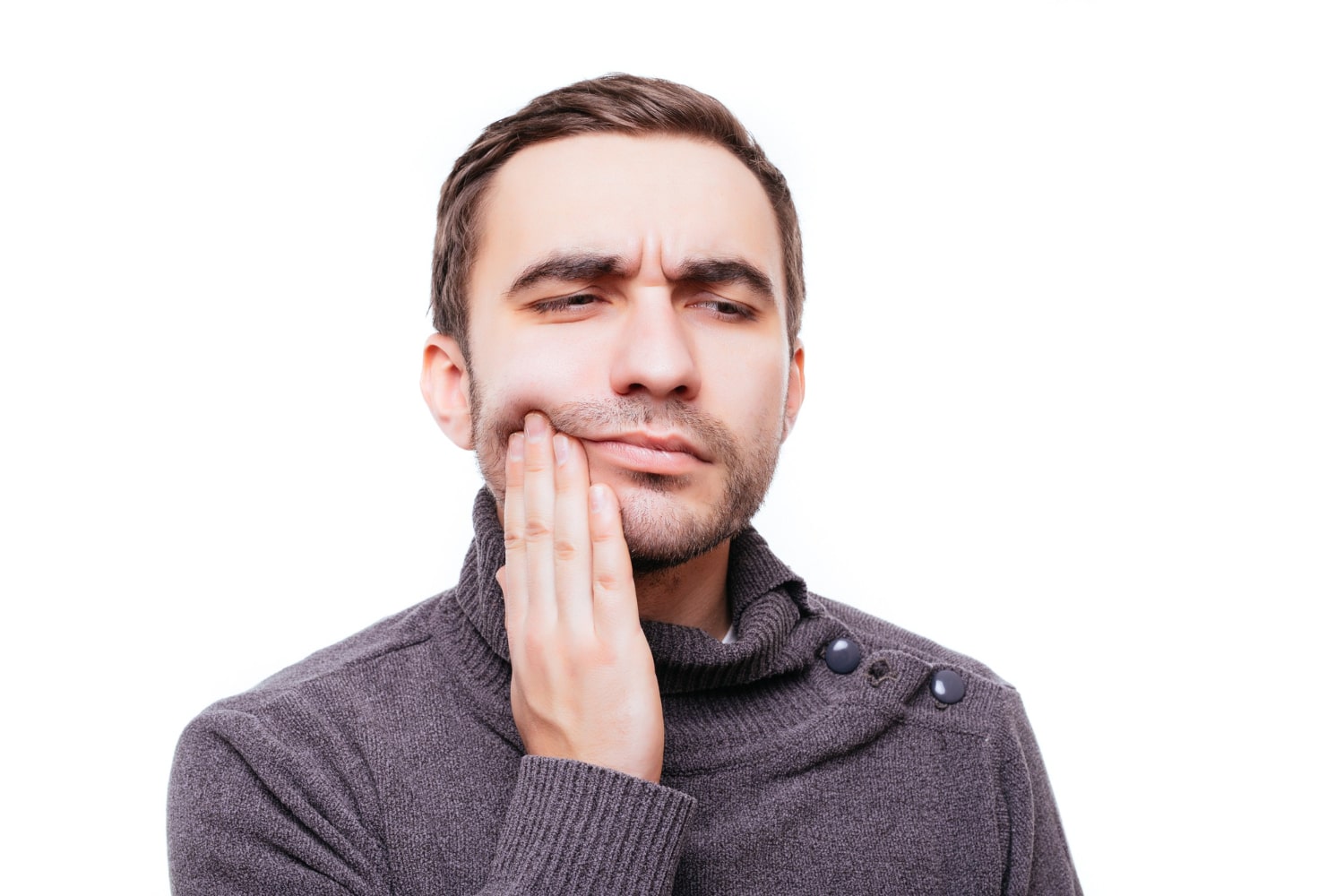
That sharp jolt of discomfort when you bite into something shouldn’t be ignored. Feeling pain while chewing can make everyday meals uncomfortable and may signal an underlying dental concern. Instead of pushing through the discomfort, it’s helpful to understand whether the cause is related to your bite, your tooth’s nerve, or another oral health issue. In many cases, guidance from an orthodontist or an endodontist can point you toward the right solution.
When Tooth Pain When Chewing Becomes a Warning Sign
Pain during chewing isn’t always simple sensitivity. It can be connected to tooth decay, gum irritation, grinding at night, or even pressure from a bite that’s slightly off. Sometimes the issue is deeper within the tooth, involving the nerves or pulp. If you notice the discomfort happening repeatedly, it’s a good sign that you should have the area checked before the issue progresses.
Understanding the Difference Between an Orthodontist and an Endodontist
Both specialists support your oral health, but they address different problems. Orthodontists focus on bite alignment and tooth positioning, using treatments such as braces or clear aligners to relieve uneven pressure that may cause chewing discomfort. Endodontists treat internal tooth issues, especially infections or inflammation, that may require root canal therapy. Identifying which type of specialist you need depends on whether the pain is caused by alignment or nerve-related concerns.
Common Causes of Tooth Pain When Chewing

Tooth pain while chewing can be caused by several dental conditions, each requiring a different solution.
Some of the most common causes include:
- Tooth Decay: Cavities can cause localized pain when chewing or biting down, especially if decay reaches the inner layers of the tooth.
- Cracked or Fractured Tooth: Even a small fracture can expose the tooth’s sensitive nerves, leading to sharp pain during pressure.
- Gum Disease: Inflammation or infection in the gums can cause discomfort while eating.
- Bite Misalignment: When your teeth don’t fit together properly, certain teeth bear more force, creating pressure points and pain.
- Tooth Infection: When bacteria reach the tooth’s pulp, it can cause swelling and tenderness, especially when chewing.
A professional evaluation at West Windsor Orthodontics can help determine whether your pain is caused by a misaligned bite or another dental issue that needs attention.
How Orthodontic Problems Contribute to Chewing Pain
When teeth don’t fit together properly, certain areas absorb more force than others. That extra pressure can create soreness, sensitivity, and uneven wear. Orthodontic treatments such as Invisalign or traditional braces gently guide the teeth into an improved position, helping restore balance and reduce stress during chewing.
When You Might Need an Endodontist Instead
If your discomfort feels deep, throbbing, or lingers even when you’re not chewing, the issue may be coming from inside the tooth. This often indicates inflammation or infection in the pulp. An endodontist can evaluate the tooth and provide treatment such as a root canal to remove infection and protect the tooth from further damage.
Preventing Tooth Pain When Chewing
The best way to avoid chewing pain is to take care of your teeth and maintain regular dental checkups. Here are some helpful prevention tips:
- Brush and floss daily to remove food particles and plaque buildup.
- Avoid biting hard foods like ice or hard candies that can crack teeth.
- Wear a mouthguard if you grind your teeth at night.
- Schedule regular visits with your orthodontist or dentist to monitor your bite and tooth health.
- Use fluoride toothpaste to strengthen enamel and reduce sensitivity.
By following these simple habits, you can help prevent future issues and maintain a healthy, pain-free smile.
Why Choose West Windsor Orthodontics for Your Care
When chewing discomfort becomes persistent, it’s important to work with professionals who can identify whether the cause is alignment-related or something else. At West Windsor Orthodontics, patients receive individualized care using advanced orthodontic techniques, helping address bite concerns and improve long-term comfort.
Ready to Chew Comfortably Again? Contact Us Today
If chewing has become painful or your bite feels uneven, it’s time to take the first step toward lasting relief. Contact West Windsor Orthodontics today to schedule your consultation. Our friendly team will help you determine whether your discomfort is due to misalignment or another issue and guide you toward the right solution.
Visit West Windsor Orthodontics or call (609) 275-0100 to book an appointment. Let’s bring back your smile and comfort with expert care in West Windsor, NJ.
FAQs
1.What causes tooth pain when chewing?
Tooth pain when chewing can stem from tooth decay, a cracked tooth, gum disease, or bite misalignment. Sometimes, it’s caused by an infection that requires endodontic care.
2.How do I know if I need an orthodontist or an endodontist?
If your teeth are crooked or your bite feels uneven, an orthodontist is your best option. If your pain is deep, throbbing, or constant, an endodontist may be needed to treat an infection.
3.Can Invisalign help reduce tooth pain when chewing?
Yes, Invisalign can help by correcting bite misalignment and evenly distributing pressure across your teeth. This can significantly reduce pain caused by uneven chewing.
4.Is it normal to feel mild discomfort when chewing during orthodontic treatment?
Mild soreness is common after adjustments or when starting Invisalign or braces. However, if pain persists or feels sharp, it’s important to contact your orthodontist.
5.How can I prevent tooth pain when chewing in the future?
Maintain regular dental checkups, brush and floss daily, and address any bite or alignment issues early. Preventive care and professional guidance are key to long-term oral comfort.