Teeth whitening continues to be one of the most requested cosmetic dental treatments. Patients are looking for simple, effective ways to improve the brightness of their smiles without a long or complex process. In 2025, there are more options than ever before—and people are getting smarter about what works and what doesn’t.
The push for whiter teeth isn’t just about appearance. It’s about confidence and the impact that even minor improvements can have in personal and professional settings. With advances in both in-office treatments and at-home products, patients can now choose solutions that match their needs more closely.
Invisalign Teen Windsor, NJ is another increasingly popular option that complements teeth whitening by straightening teeth discreetly, contributing to a more confident smile overall.
Braces in West Windsor, NJ continue to be a reliable solution for patients seeking comprehensive orthodontic care alongside cosmetic treatments like whitening.
Demand remains high because results are now faster, more consistent, and easier to maintain. Let’s look at how professional whitening continues to stand out.
In-Office Teeth Whitening Treatments
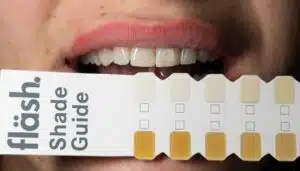
In-office teeth whitening remains one of the most effective ways to get noticeable results quickly. Dentists use stronger bleaching agents and specialized equipment that go beyond what store-bought products can achieve.
How Professional Whitening Works
-
Dentists apply a high-concentration whitening gel, often with added light or heat to enhance results.
-
The entire process takes about an hour, and the effects are visible right after treatment.
-
Because it’s supervised, there’s less risk of gum irritation or uneven whitening.
Most Popular Options in 2025
Patients in 2025 are choosing:
-
Zoom! Whitening – Still one of the most trusted names in professional whitening.
-
Boost Whitening – A chemically activated option that doesn’t require lights.
-
Laser Whitening – Often used for deep or stubborn stains.
Pros of In-Office Whitening
-
Fast results in one visit
-
Safe and controlled application
-
Long-lasting when maintained properly
Things to Consider
-
Higher cost than home products
-
Temporary sensitivity after treatment is common
Many patients still prefer in-office care because of the reliability and speed. It’s a solid choice for those wanting results before an event or those who have tried other methods without success.
At-Home Teeth Whitening Products Patients Trust
At-home teeth whitening has come a long way. In 2025, it’s not just about convenience—it’s about effectiveness too. Many patients are choosing at-home options to brighten their teeth on their own schedule, without making a trip to the dentist.
The keyword teeth whitening fits naturally here as more people turn to reliable products they can use from home.
Top Whitening Products in 2025
These are the most popular choices patients are reaching for:
-
Whitening Strips – Thin, flexible strips coated with peroxide gel. Trusted brands like Crest 3D Whitestrips still lead the market.
-
Whitening Trays with Gel – Custom or semi-custom trays filled with whitening gel, worn for a set time daily.
-
LED Whitening Kits – Combine gel and a light device to boost effectiveness. Often marketed on social media.
-
Whitening Pens – Quick and easy to apply, good for touch-ups on the go.
What Ingredients Actually Work
Look for these active ingredients for real results:
-
Hydrogen Peroxide – The most effective whitening agent for both surface and deep stains.
-
Carbamide Peroxide – Breaks down into hydrogen peroxide and works more slowly, often preferred by those with sensitive teeth.
Pros and Cons
Pros:
-
Affordable
-
Convenient
-
Easy to repeat for maintenance
Cons:
-
Slower results than professional options
-
Higher chance of inconsistent whitening if not applied properly
-
Potential for gum sensitivity if overused
Patients who are consistent with their at-home treatments often see impressive results over time. It’s become a reliable choice for people who want control over their whitening process, as long as they use the right products the right way.
Natural Teeth Whitening Methods: Still Relevant or Outdated?
Natural teeth whitening methods still have a presence in 2025, but they’re not as widely trusted as they once were. Some patients try these approaches first because they seem simple or more affordable. But their effectiveness—and safety—varies.
The phrase teeth whitening can easily become misleading when natural methods are promoted without real evidence. Here’s what patients are still using and what the results look like.
Common DIY Whitening Methods
People continue to experiment with:
-
Baking Soda and Hydrogen Peroxide Paste – Claimed to scrub away stains, but abrasive over time.
-
Oil Pulling – Swishing coconut oil in the mouth daily, often for 10 to 20 minutes.
-
Activated Charcoal – Marketed for stain removal, but not supported by strong clinical data.
What Dentists Say in 2025
-
These methods don’t whiten below the enamel, where deeper stains live.
-
They may provide minimal results on surface stains but often take weeks of consistent use.
-
Overuse can lead to enamel damage or gum irritation.
Are They Still Worth Trying?
For some, natural methods feel like a safe first step. But by 2025, more patients are realizing that the time spent using ineffective home remedies might be better invested in proven treatments. Dentists now regularly discourage heavy reliance on these options, especially for those looking for real, lasting results.
The shift is clear: while natural techniques are still around, they’re no longer at the center of most patients’ teeth whitening routines.
What Influences the Results of Teeth Whitening?
Teeth whitening isn’t one-size-fits-all. Results vary from person to person, depending on a few key factors. Some patients see noticeable changes within days, while others need multiple sessions or product cycles to reach their goals.
In this section, we’ll break down what really affects how well teeth whitening works.
Personal Factors That Impact Results
-
Type of Stains
Surface stains from coffee, wine, or tobacco respond well to whitening. Internal (intrinsic) stains, like those from medication or injury, are harder to treat. -
Tooth Color
Natural tooth shade plays a role. Yellowish teeth often respond better than gray-toned ones. -
Age
As we age, enamel thins and dentin darkens, making teeth more resistant to whitening. -
Oral Health
Cavities, worn enamel, and gum issues can limit your whitening options.
Lifestyle and Maintenance Habits
-
Frequent consumption of stain-causing food or drinks can shorten the life of your whitening results.
-
Smoking continues to be one of the biggest obstacles to maintaining a brighter smile.
-
Inconsistent brushing or skipping dental cleanings can dull results quickly.
How Long Whitening Results Last
-
In-office treatments: Results can last up to 1–2 years with proper care.
-
At-home kits: Typically last a few months but are easy to touch up.
-
Natural methods: Often need ongoing use to maintain even mild results.
The more consistent you are with your oral hygiene and habits, the longer you can maintain a whiter smile—regardless of the teeth whitening method you choose.
Choosing the Right Teeth Whitening Option for You
With so many choices in 2025, picking the right teeth whitening method can feel overwhelming. But breaking it down by your needs, goals, and comfort level makes the decision easier.
Key Questions to Ask Yourself
-
What’s your budget?
In-office whitening offers fast results but costs more. At-home kits are more affordable but take longer. -
How quickly do you want to see results?
If you have an event coming up, professional treatment may be worth the investment. -
Do you have sensitive teeth or gums?
Certain products may cause discomfort, so it’s smart to consider lower-concentration options or dentist supervision.
When It Makes Sense to See a Dentist
-
You have deep or stubborn stains
-
You’ve tried at-home products with no results
-
You’re unsure which method is safe for your oral health
-
You want customized whitening trays for better fit and coverage
Side-by-Side Comparison
| Method | Cost | Speed | Duration | Risk of Sensitivity |
|---|---|---|---|---|
| In-Office | High | Fast | 1–2 years | Low to Moderate |
| At-Home Kits | Moderate | Moderate | Months | Moderate |
| Natural DIY | Low | Slow | Weeks | High (in some cases) |
Choosing the right teeth whitening method depends on what fits your lifestyle. For many patients, a combination of professional advice and realistic goals leads to the best results.